Simple extractions and surgical removal of impacted wisdom teeth at our Jurong West and Clementi clinics. Surgery $1,350–$1,550 per tooth, Medisave-claimable* — $0 cash for most patients. CBCT 3D imaging, gentle technique, and the Medisave claim handled for you on the day.
Wisdom tooth extraction in Singapore costs $150–$1,550 per tooth before GST at Trust Dental Surgery. Surgical extraction of impacted wisdom teeth is 100% Medisave claimable, so most patients pay $0 out of pocket. Simple extractions start from $150 and are CHAS eligible.
Wisdom tooth extraction costs from $150 (simple) to $1,350–$1,550 (surgical, before consultation, X-rays and GST) per tooth in Singapore, depending on whether the tooth is fully erupted (simple extraction) or impacted (surgical extraction). Surgical removal of impacted wisdom teeth is fully claimable under CPF Medisave, meaning most patients pay nothing out of pocket.
| Extraction type | Cost per tooth (before GST) | Subsidy |
|---|---|---|
| Simple extraction (fully erupted) | From $150 | CHAS eligible |
| Surgical extraction (impacted) | $1,350–$1,550 | 100% Medisave claimable |
All prices are before GST (9%). Every surgical extraction package includes consultation, X-ray assessment, local anaesthesia, the surgical procedure, medications, and follow-up review. Medisave claims are handled directly by the clinic.
| Factor | Impact on cost |
|---|---|
| Type of impaction (mesial, vertical, horizontal, distal) | More complex impactions require longer surgery |
| Depth of impaction (soft tissue vs bony) | Bony impactions need bone removal, increasing complexity |
| Proximity to nerves | Teeth near the inferior alveolar nerve require extra care |
| Number of teeth removed | Multiple teeth can be done in one session |
Your dentist will assess your X-ray and provide a clear cost estimate before any treatment begins.
From simple extractions to complex surgical removals, our dental surgeons take care of your wisdom teeth — with Medisave claims handled for you.
Wisdom teeth (also called third molars) are the last set of teeth to develop, typically emerging between the ages of 17 and 25. Most adults have four wisdom teeth — one in each corner of the mouth.
While some wisdom teeth grow in without any issues, many don't have enough room to emerge properly. When this happens, they can become impacted — meaning they're trapped beneath the gum line or growing at an angle. Impacted wisdom teeth are one of the most common dental conditions in Singapore.
Not all wisdom teeth need to be removed. Your dentist will assess your X-rays and recommend extraction only when there is a clear clinical reason.
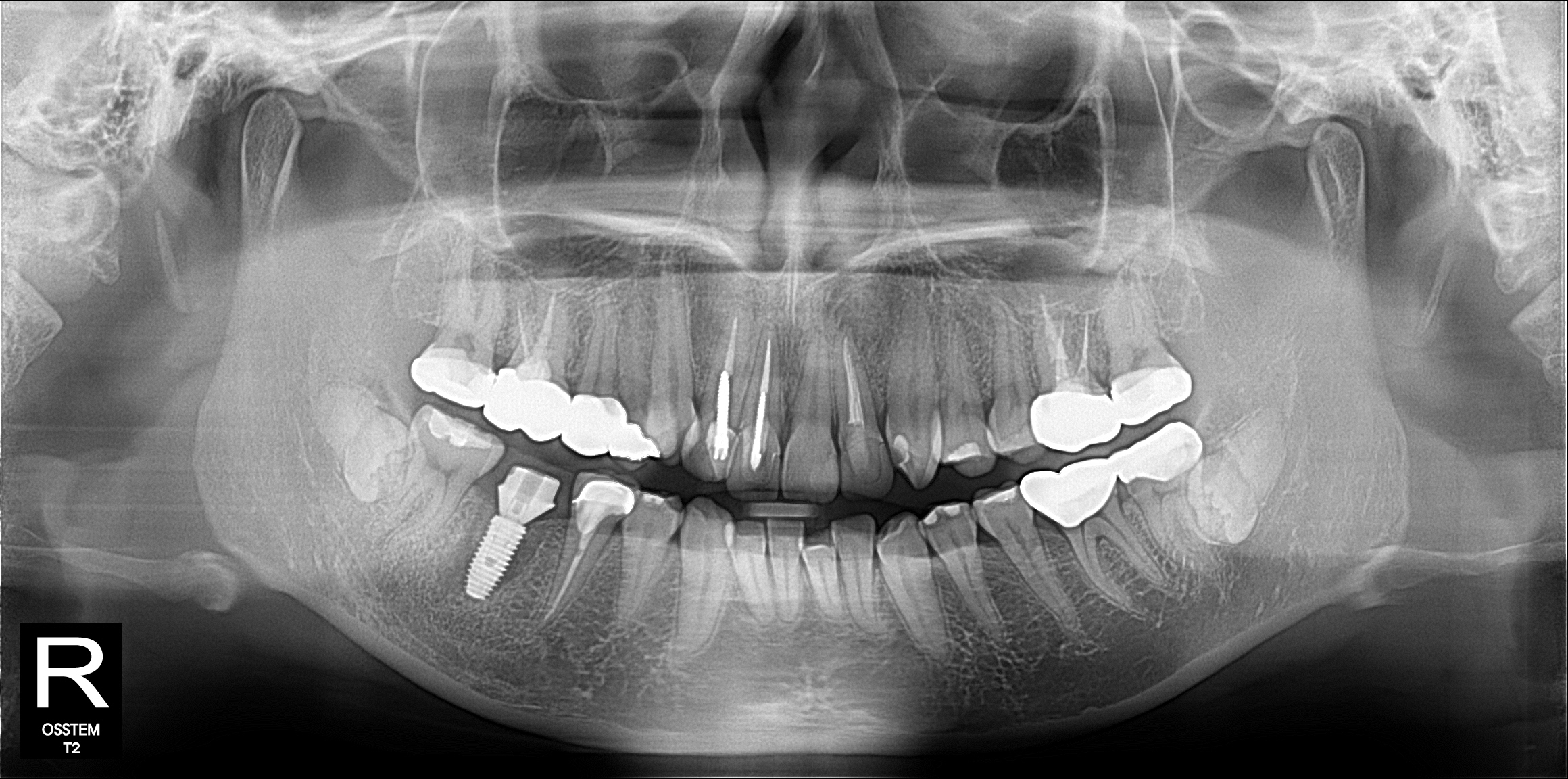
A wisdom tooth is impacted when it cannot erupt fully because it is angled forward (mesioangular), lying flat (horizontal), upright but trapped under gum or bone (vertical), or angled backward (distoangular). The type of impaction, and whether it sits in soft tissue or bone, decides whether you need a simple extraction or surgery, and it is identified from your X-ray or CBCT scan at the assessment.
Read the guide to the four impaction types and which ones need surgery →
The type of extraction depends on how your wisdom tooth has grown. Here's how they compare.
For wisdom teeth that have fully erupted above the gum line and can be removed with standard dental instruments.
For impacted wisdom teeth that are partially or fully trapped beneath the gum line or jawbone.
Your dentist will take an X-ray (OPG) during your assessment to determine whether a simple or surgical extraction is needed. Most impacted wisdom teeth in Singapore require surgical extraction, which is fully claimable under Medisave.
Pain or pressure at the back of the jaw, swollen or bleeding gum over a partly erupted tooth, repeated infection (pericoronitis), a bad taste or bad breath from food trapping, difficulty opening the mouth, or decay in the wisdom tooth or the molar in front of it. Not every wisdom tooth needs removal; a fully erupted, cleanable tooth can often stay.
Seven signs you need wisdom tooth surgery → · Wisdom tooth infection: symptoms and treatment →
Experiencing any of these symptoms? Get an assessment today.
Book a ConsultationHere's what happens from your first visit to full recovery.
Your dentist will examine your mouth and take an X-ray (OPG) to assess the position and type of impaction of your wisdom teeth. You'll receive an honest recommendation and a clear breakdown of costs — including Medisave and CHAS deductions.
Local anaesthesia is administered to ensure you feel no pain during the extraction. For simple extractions, the tooth is loosened and removed with dental instruments. For surgical extractions, a small incision may be made in the gum, and the tooth may be sectioned for easier removal. Stitches are used to close the site.
30–45 minutes for surgical, 15–20 for simpleYour dentist will place gauze on the extraction site. You'll receive detailed aftercare instructions, prescribed medications (antibiotics and painkillers), and a follow-up appointment for suture removal if needed. We'll WhatsApp you the next day to check in.
You can go home the same dayA follow-up visit is scheduled within 1 to 2 weeks to check healing, remove stitches, and ensure you're recovering well. If you have concerns at any point before your review, you can WhatsApp us.
Follow-up in 1–2 weeksMost surgical extractions are fully covered by Medisave. Check your eligibility.
WhatsApp UsWisdom tooth extraction is a routine and safe procedure. However, as with any surgery, there are some risks. Your dentist will discuss these with you before proceeding.
Occurs when the blood clot at the extraction site is dislodged, exposing the bone. Causes significant pain 2–3 days after surgery. Prevented by avoiding straws, smoking, and vigorous rinsing.
Lower wisdom teeth sit close to the inferior alveolar nerve. In rare cases, extraction may cause temporary numbness or tingling in the lip, chin, or tongue. This is usually temporary and resolves within weeks to months.
Post-operative infection can occur at the extraction site. Symptoms include increasing pain, swelling, fever, and pus discharge. Antibiotics are prescribed to minimise this risk.
Some bleeding is normal in the first 24 hours. Biting on gauze for 30–45 minutes helps. If bleeding is heavy or persistent beyond 24 hours, contact your dentist.
Upper wisdom teeth sit near the sinus cavity. In rare cases, extraction may create a small opening. This usually heals on its own, but your dentist will provide specific instructions if it occurs.
Difficulty opening your mouth fully (trismus) is common after surgery, especially for lower wisdom teeth. This is temporary and resolves within 1–2 weeks with gentle jaw exercises.
Serious complications are rare. Your dentist will review your X-ray and discuss any specific risks based on the position of your wisdom teeth before proceeding with extraction.
Numbness wears off within a few hours; swelling peaks on day 2–3 and settles by the end of the first week; most patients are back at work or school within 3–5 days and eating normally by day 7–10, with the socket healing fully over the following weeks. You will get written aftercare instructions and medication, and a review appointment about a week later.
Day-by-day recovery guide → · What to eat after wisdom tooth extraction → · Aftercare checklist →
Have questions about your recovery? Our team is happy to help.
WhatsApp UsMost wisdom tooth extractions are done under local anaesthetic — you stay awake but completely numb. For anxious patients, there are more options.
Our dentists use a gentle, slow-injection technique and explain each step before it happens — for many nervous patients, knowing what comes next makes all the difference. Once the local anaesthetic takes effect, the area is completely numb: you may feel some pressure, but no pain. Tell us you are anxious when you book — we will schedule extra time, check in with you throughout, and pause whenever you need a break. You stay in control from start to finish.
All wisdom tooth surgery is performed in-house by our team of four dental surgeons — with Medisave claims handled for you. Meet the team
Transparent pricing with Medisave and CHAS subsidies to keep your out-of-pocket costs low.
For fully erupted wisdom teeth that can be removed without surgery
For impacted wisdom teeth requiring surgical removal under local anaesthesia
CHAS vs Medisave for wisdom tooth extraction
Surgical extraction: Covered under Medisave (not CHAS). Simple extraction: CHAS claimable — anterior up to $38.50, posterior up to $78.50 (PG cardholders). Bring your CHAS card and NRIC.
View full CHAS subsidy guide →*Surgical fee is Medisave-claimable within the CPF withdrawal limit that applies to the complexity of your case and your available Medisave balance; any difference is payable directly. Simple (non-surgical) extractions are not Medisave-claimable. Most patients pay $0 out of pocket for surgical extraction. CHAS subsidies are available for eligible patients undergoing simple extraction. All prices shown are before GST (9%). Final fees may vary based on individual assessment.
For a detailed breakdown of Medisave claims, see our Wisdom Tooth Surgery & Medisave guide. You can also read our full breakdown of wisdom tooth removal costs in Singapore (2026).
$0* out of pocket for most patients. Book your assessment now.
Book a ConsultationHow to tell if your wisdom tooth is causing problems and when extraction is necessary.
Read more →A guide to soft foods and nutrition tips for a smooth recovery.
Read more →Understanding how much you can claim and what’s covered.
Read more →Conveniently located in Jurong West and Clementi — wisdom tooth consultations available.
Tell us what's bothering you, and one of our Medisave-accredited dental surgeons with years of experience in wisdom tooth surgery and tooth extractions will give you an honest read. No pressure to book anything.
Get a second opinion on WhatsAppBook a consultation — no pressure, no obligation. Just honest advice, upfront pricing, and a friendly face. Medisave claims handled for you.